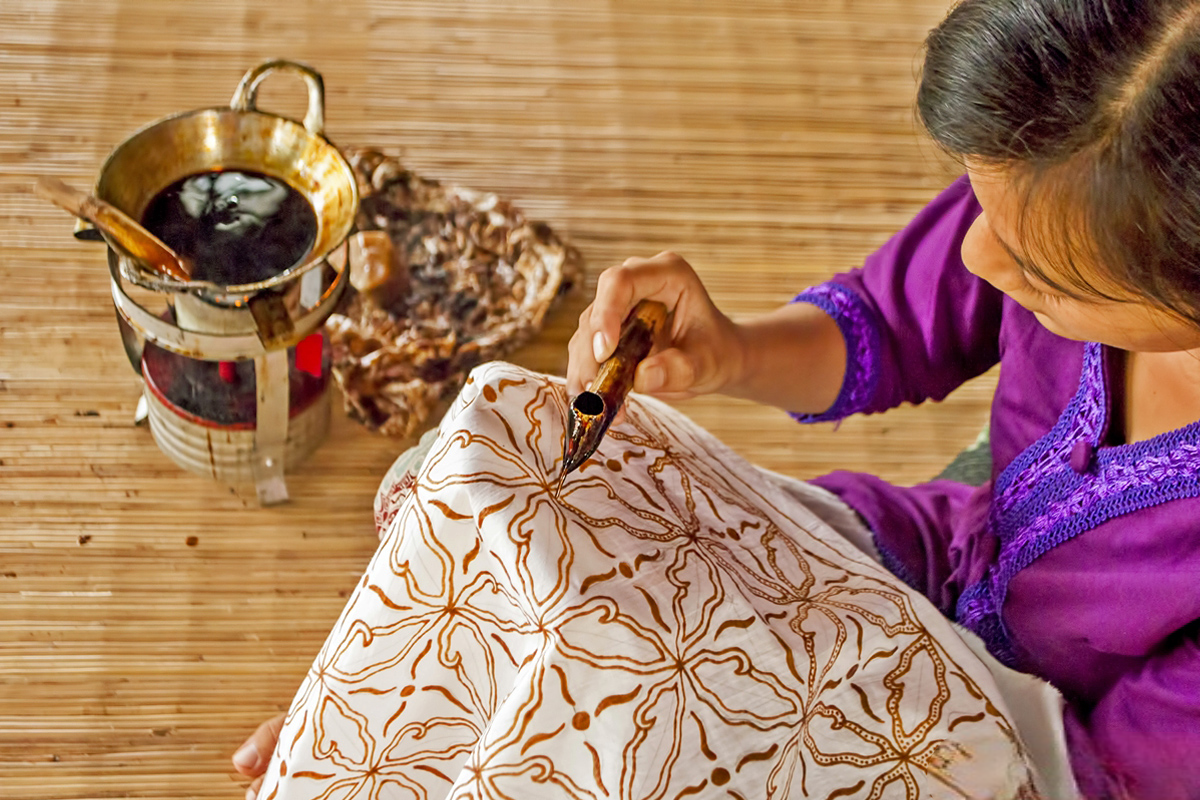
You know that feeling when you find a piece of clothing that feels special? It’s more than just a shirt or a dress. It has a story. That’s exactly what you get with authentic batik. While many fabrics today are mass-produced with printed designs, batik is a true art form. It’s a Hand Stamped Fabric Tradition with a history spanning centuries.
You’re not just wearing a pattern. You’re wearing a piece of Indonesia’s rich cultural heritage. This article will show you the artistry, tradition, and style behind this beautiful textile.
The Cultural Legacy of Indonesia’s Hand Stamped Fabric Tradition
Batik is so much more than a patterned textile. It’s a vibrant, living art form. Each piece is a labor of love, representing centuries of skill and history.
A UNESCO Masterpiece
Batik’s importance is recognized on a global scale. UNESCO named Indonesian Batik a Masterpiece of Oral and Intangible Heritage of Humanity in 2009. This designation preserves it for future generations. It also highlights its significance to the world. Why is that recognition so important? It tells you that you’re not just holding a piece of cloth.
What is Batik Stamping?|
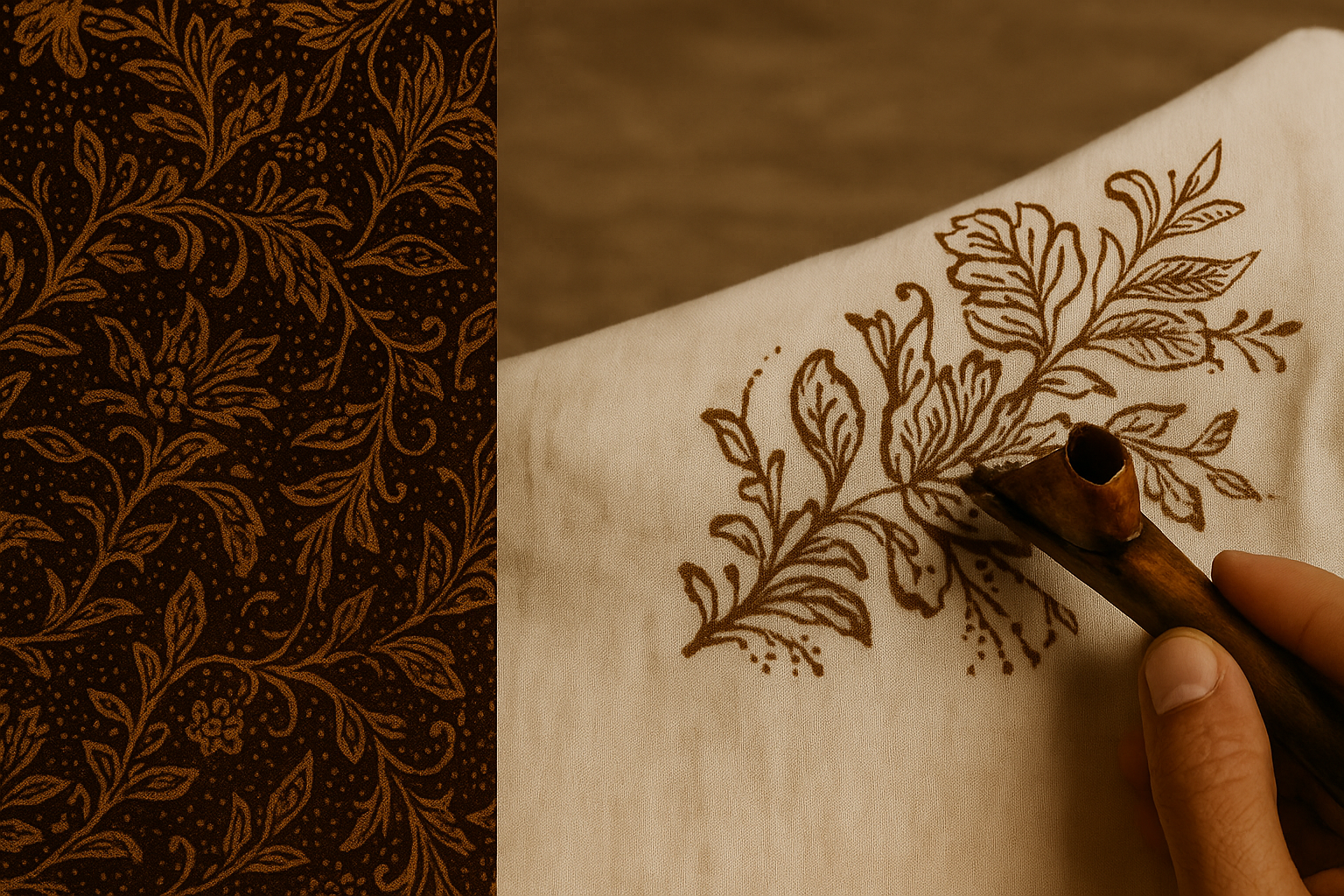
There’s a big difference between printed fabric and authentic batik. Authentic batik comes to life through a process called batik stamping. Artisans use a hand-carved copper block called a “cap.” They dip the cap into hot wax and then carefully press it onto the fabric. This creates a wax resist pattern. The fabric is then dyed, and the wax is later removed to reveal the design.
The Mark of Authenticity
Hand-stamped batik has a few giveaways. You’ll notice that no two pieces are exactly alike. The small imperfections are part of its charm. They’re a testament to its handmade quality.
Discover 5 Stylish Ways to Wear Premium Batik Fabrics
Batik is no longer just for formal events. It’s a versatile fabric that can be styled in so many modern ways. You can blend rich cultural heritage with today’s trends. Don’t worry if you’re not sure where to start. We’ve got you covered with a few fun tips.
> Discover 5 Stylish Ways to Wear Premium Batik Fabrics
- Mixing with Modern Basics
- Accessorizing with Batik
- The Art of Print Mixing
- Dressing Up for Special Occasions
- Getting Started with Batik
Where to Find and Purchase Authentic Batik Fabrics
Finding genuine batik is an important part of the journey. You want to be sure you’re getting a quality product. It can be tricky, but knowing what to look for makes it easier.
Finding an Indonesian Batik Fashion Store USA
The best way to buy authentic batik is from a trusted source. You can look for a dedicated Rinjanieus Indonesian Batik Fashion Store. They often specialize in traditional textiles. You can also find specialty boutiques or online retailers who work directly with artisans. Doing a bit of research on the store’s background will help you feel more confident in your purchase.
The Convenience of Online Shopping
For many people, buying batik fabric online in usa is the most convenient option. Online stores can offer a much wider selection of patterns and styles. You can take your time browsing through different collections. Look for sites that provide details about their sourcing.
The B2B Market
If you’re a designer or a business owner, you’ll want to find a reliable source for wholesale batik fabrics. You should seek out suppliers who are committed to fair trade practices. Finding a supplier who works directly with artisans supports the tradition. It also ensures you’re getting a high-quality product for your business.
What to Look for When Buying
Look for a slight scent of wax, which is a sign of the real process. On genuine batik, the color and design should show through on both sides of the fabric. That’s the mark of a true Hand Stamped Fabric Tradition.
Where are Batik Fabrics Made
The simple answer is that the most authentic batik comes from Indonesia. You can also find beautiful batik made in other countries. But the tradition itself is deeply rooted in Indonesia. Knowing Where are Batik Fabrics Made helps you connect with the story behind the art.
The Global Appeal of a Traditional Art Form

A Global Tradition
Batik’s beauty has moved far beyond Indonesia. It has captured the attention of people all over the world.
A Growing Global Market
You’re part of a major trend. The sustainable fashion market was valued at over $8 billion in 2023. Consumers are increasingly demanding products that are not just beautiful but also ethically made. Batik fits perfectly into this market. It’s a fabric that you can feel good about buying and wearing.
The Power of Export
The demand for authentic batik is clear in the numbers. In 2021, the export value of Indonesian batik was around $45 million. That’s a significant number for a traditional art. It shows that batik has a strong global economic presence.
Batik Beyond Borders
Batik has been embraced by designers and fashion lovers worldwide. It’s no longer confined to traditional settings. You’ll see it on runways and in fashion magazines. Its unique patterns are being incorporated into modern clothing in creative new ways.
A Fashion Statement with Meaning
Wearing batik is more than just a fashion choice. You’re celebrating a rich culture and supporting a tradition. You’re showing that you value handmade quality. You’re wearing something that has a true story behind it.
Conclusion
As you’ve seen, batik is more than just a textile. It’s a living art form with a bright future. In a world of fast fashion, traditional crafts like this are becoming even more important. Your support helps ensure these skills don’t fade away. By choosing a piece of genuine batik, you are becoming a part of its story. You’re helping to keep a beautiful cultural legacy alive. Your purchase creates a direct connection between you and the skilled artisan. You’re not just wearing a garment. You’re carrying a piece of history forward.